

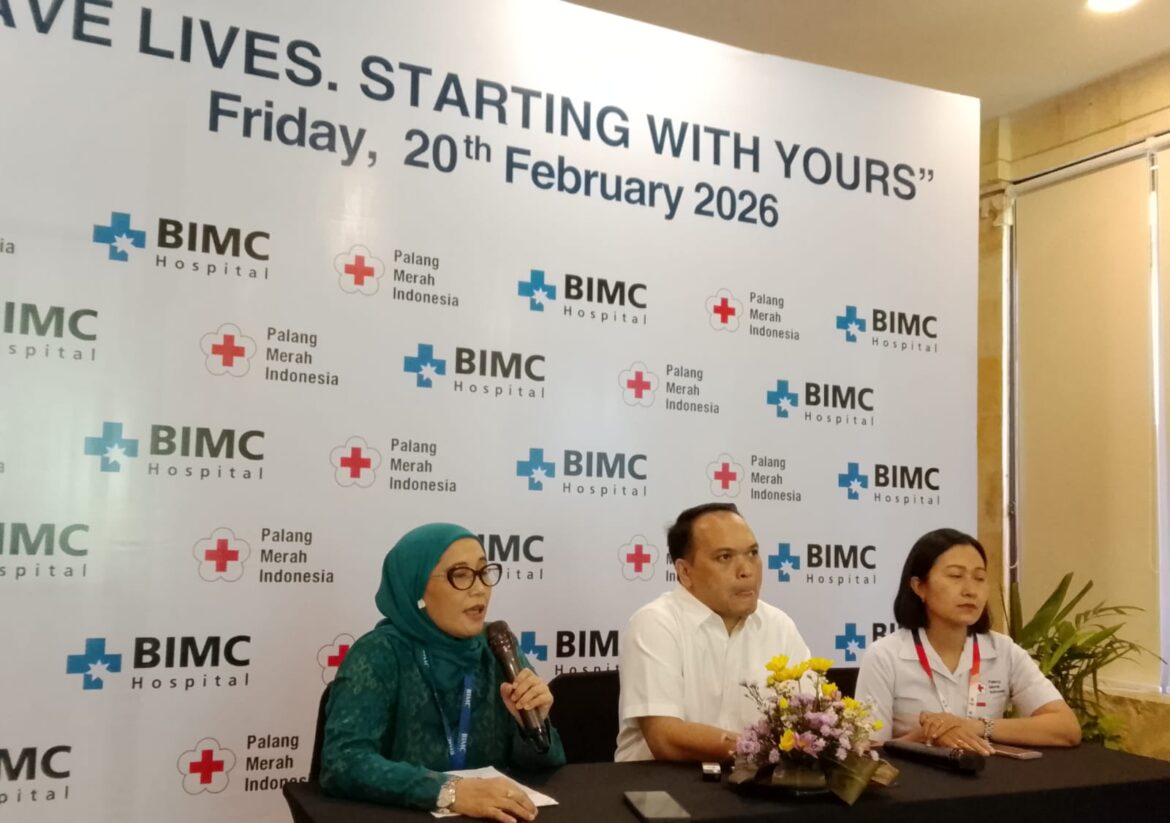
BALI – BIMC Hospital Kuta and the Indonesian Red Cross (PMI) Bali convened tourism leaders, diplomats, and humanitarian communities at Prama Sanur under a singular mission: strengthening Bali’s emergency medical readiness.
The health talk, titled “Save Lives. Starting With Yours,” spotlighted a silent but pressing crisis — the scarcity of Rhesus Negative (Rh-) blood on the Island of the Gods.
Current data from PMI Bali paints a stark picture:
Rh- O: 123 donors
Rh- A: 50 donors
Rh- B: 23 donors
Rh- AB: 2 donors
In a province that hosts millions of international visitors annually, these numbers represent a dangerously thin safety net.
Dr. Meike Magnasofa, Director of BIMC Hospital Kuta, explained that within intensive care settings, the availability of Rhesus Negative blood types remains critically limited.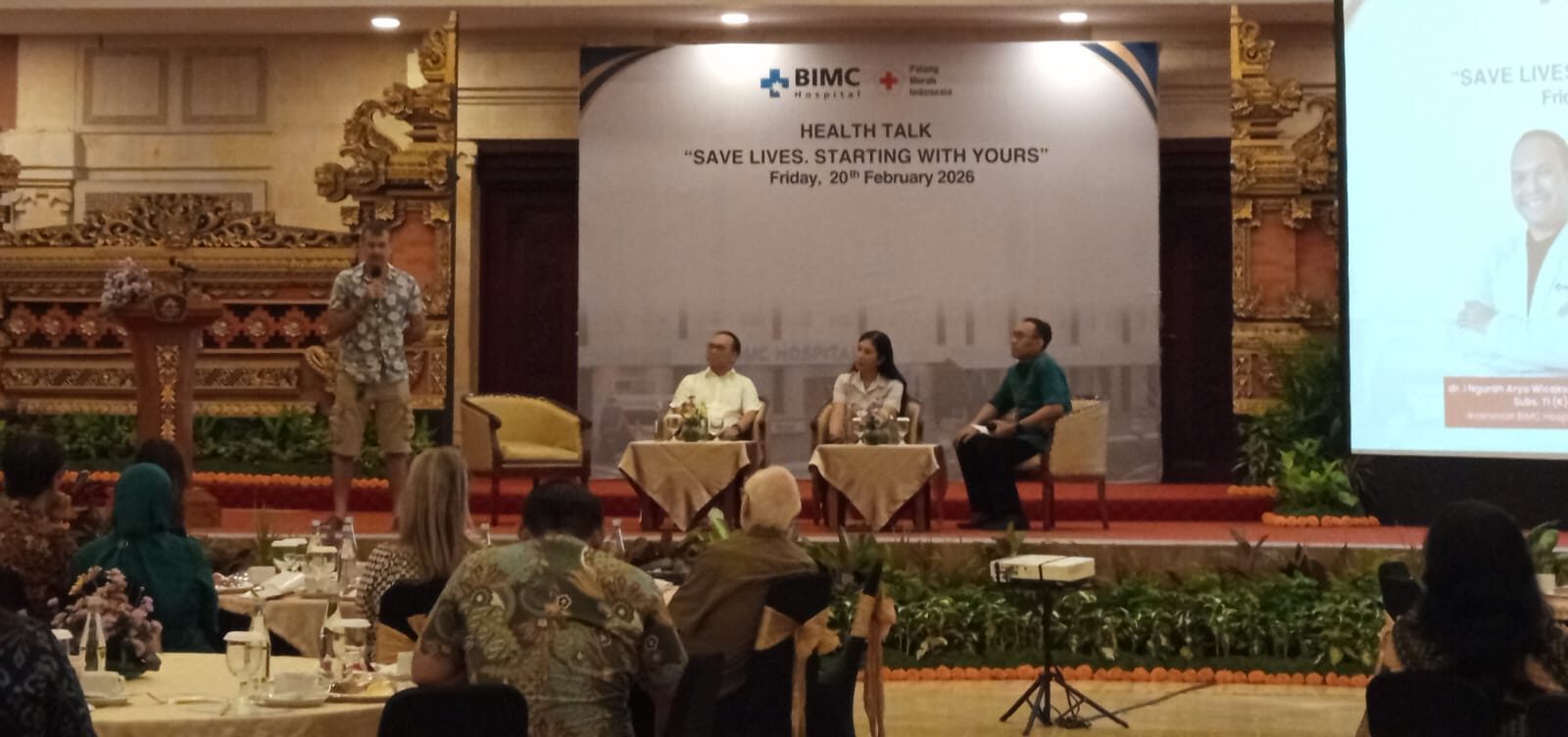
“Ensuring a stable supply of Rhesus Negative blood is a humanitarian priority. Whether for accident victims or disaster response, we must stir the collective conscience to save lives,” she said.
Approximately 90% of international travelers arriving in Bali carry blood types that may require Rhesus Negative components during emergency transfusions. According to Dr. Magnasofa, more than half of foreign patients treated in urgent situations—particularly those involving traffic accidents—require immediate blood support.
Despite this, Rh- donors make up just 0.55% of Bali’s local population.
Dr. Nyoman Sastrini, Head of Donor Services at UTD PMI Bali, emphasized that PMI maintains an active registry of Rh- donors. However, the cumulative demand from multiple hospitals frequently exceeds available supply.
“In urgent cases, we contact donors directly at their homes or workplaces. It is an ‘on-call’ network,” she explained.
The forum also featured testimony from community member Mike Lambrou of Bali Hash House Harriers, who shared his experience as a Rhesus Negative donor and encouraged others to join the registry.
Through this initiative, BIMC Hospital Kuta and PMI Bali seek to establish a structured Rhesus Negative Contact List — a coordinated network of potential donors prepared to respond swiftly during medical emergencies.
As Bali continues to position itself as a world-class tourism destination, the message delivered at the forum was clear: safety must extend beyond infrastructure and hospitality. It must include medical preparedness — because saving lives starts with awareness, and awareness starts with each individual.***
About Author
